


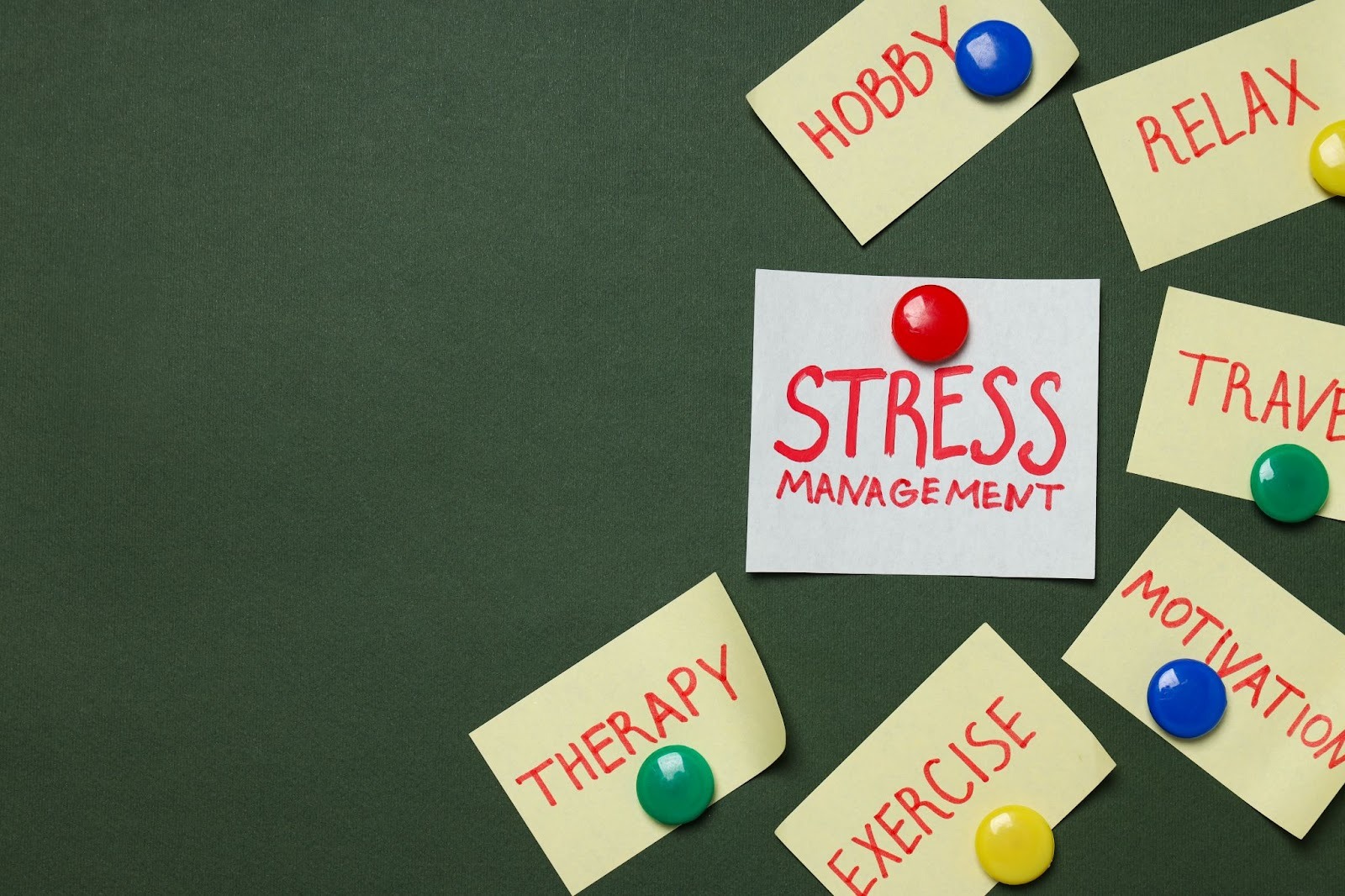
Stress shows up in every serious art practice. It appears during deadlines, before exhibitions, while waiting for feedback, or when ideas stop flowing. Most artists already know this. What often gets misunderstood is the meaning of that stress. It is not a sign of weakness or poor discipline. It is a natural response to working in uncertain environments, where visibility is limited and emotional investment is high. Creative stress management is not about eliminating pressure; it’s about managing it effectively. It is about learning how to work with it in a way that protects artist wellbeing and supports sustainable creativity. When stress is managed intentionally, it becomes a signal rather than a threat.
Creative Stress Management as an Ongoing Skill
Creative stress management works best when it is treated as a skill, not a fix. Stress changes across projects, career stages, and personal circumstances. What works during one phase may not work during another. Artists who develop mental balance do not aim for constant calm. They aim for responsiveness. They notice stress early, adjust habits, and prevent accumulation. Over time, this skill supports consistency and resilience without flattening creative intensity.
Identifying Stress Patterns Inside the Art Practice
Stress in an art practice often appears quietly before it becomes overwhelming. Many artists push through early signals because they feel normal or unavoidable. Learning to recognize patterns is the first step toward creative stress management.
Physical Signals Artists Often Ignore
The body often reacts before the mind does. Tight shoulders, jaw tension, headaches, shallow breathing, or repetitive strain are common signs. These symptoms are easy to dismiss as part of working hard. However, untreated physical stress reduces focus and increases emotional reactivity. Simple awareness allows artists to respond early through movement, posture changes, or rest.
Mental Stress That Affects Creative Judgment
Mental stress often shows up as overthinking, second-guessing, or creative paralysis. Artists may spend excessive time revising, comparing their work to others, or avoiding decisions. This type of stress distorts judgment. Creative stress management involves recognizing when thinking is no longer helping the work and creating space to reset perspective.
Adjusting Workload Without Reducing Creative Output
One of the most persistent myths in creative culture is that reducing stress means producing less. In reality, unmanaged stress often reduces output by draining focus and energy. Adjusting workload does not mean lowering ambition. It means working smarter within realistic limits. Artists can maintain momentum by prioritizing tasks, breaking projects into manageable phases, and allowing recovery between intense periods. This approach supports mental balance while preserving creative flow.
Creating Stress-Reducing Entry Points Into Creative Work
How a creative session begins often determines how stressful it feels. Entry points set the tone for focus and confidence.
Low-Pressure Starting Rituals
Starting with a demanding task increases resistance. Low-pressure rituals help ease artists into work. This may include warm-up sketches, organizing materials, or reviewing notes. These actions reduce anxiety by creating familiarity. Over time, the brain associates these rituals with safety and readiness, lowering stress at the start of each session.
Separating Planning Energy from Making Energy
Planning and making require different mental states. When artists attempt to plan and create simultaneously, stress increases. Separating these phases reduces cognitive overload. Planning sessions can be structured and analytical, while making sessions remain intuitive. This distinction supports sustainable creativity and clearer decision-making.
Managing External Pressures Without Internalizing Them
External pressures are unavoidable. Deadlines, feedback, financial concerns, and online visibility all influence stress levels. The challenge lies in preventing these pressures from becoming internalized as self-worth. Creative stress management involves setting boundaries around input. Artists benefit from scheduling feedback reviews, limiting social media exposure during active work phases, and distinguishing between constructive critique and noise. This protects artist’s well-being without disconnecting from professional responsibilities.
Mental Balance Through Structured Breaks and Recovery
Recovery is not optional in creative work. It is a core component of sustainable creativity. Without recovery, stress accumulates and reduces creative clarity.
Micro-Breaks That Reset Focus
Short breaks taken intentionally throughout the day prevent mental fatigue. Standing up, stretching, stepping outside, or breathing deeply for a few minutes resets attention. These micro-breaks reduce errors and emotional reactivity, helping artists return to work with steadier focus.
Psychological Closure After Intense Work Sessions
Ending work without closure leaves stress unresolved. Simple actions such as noting progress, writing the next step, or tidying the workspace signal completion. Psychological closure allows the nervous system to relax, reducing background stress and supporting better rest.
Emotional Regulation for Creative Decision-Making
Stress affects emotional regulation. When stress is high, artists may avoid risks or make impulsive decisions. Creative stress management includes learning to pause before reacting. Emotional awareness helps artists recognize when decisions are being driven by fear rather than intention. This awareness supports mental balance and protects creative integrity during challenging moments.
Sustainable Creativity During High-Pressure Periods
High-pressure periods such as exhibitions, launches, or deadlines amplify stress. During these phases, routines must adapt rather than disappear. Shortened wellness practices, simplified meals, and brief recovery moments still matter. Expert advice from experienced artists often emphasizes preparation. Strengthening stress management habits during calmer periods makes them easier to maintain under pressure.
When Stress Becomes a Signal for Change
Not all stress is temporary. Persistent stress may signal misalignment in workload, direction, or expectations. Creative stress management includes listening to these signals without judgment. Reflection helps identify whether adjustments are needed in scope, timelines, or creative focus. Addressing underlying causes supports long-term artist wellbeing rather than temporary relief.
Integrating Stress Management Without Softening Creative Drive
Some artists fear that managing stress will reduce intensity or ambition. In practice, the opposite is often true. When stress is managed, energy becomes more available for experimentation and risk-taking. Mental balance supports deeper focus and emotional honesty. Sustainable creativity thrives when the artist feels supported rather than depleted.
Expert Advice
Many experienced artists emphasize consistency over endurance. Small daily habits protect mental balance more effectively than occasional extremes. They also stress the importance of listening to the body and mind. Fatigue, irritability, and loss of focus are signals to adjust, not obstacles to ignore. Personalization is key. Creative stress management works best when tailored to individual rhythms rather than trends.
Final Reflection
Creative stress management is not about avoiding challenge. It is about meeting challenges with awareness and care. Simple habits, practiced consistently, protect both the artist and the work. When stress is managed skillfully, creativity becomes sustainable rather than exhausting. Supporting artist wellbeing is not separate from creative success. It is the foundation that allows creativity to continue evolving.
FAQs
Is creative stress management different from general stress management?Yes. Creative stress management addresses uncertainty, visibility, and emotional investment specific to artistic work.
Can stress ever be helpful for creativity?Short-term stress can increase focus, but unmanaged stress reduces clarity and sustainability.
How long does it take to notice improvements?Many artists notice changes in focus and emotional balance within a few weeks of consistent habits.
Do these strategies work for all creative fields?Yes. The principles support the artist rather than the medium and adapt across disciplines.
What if stress returns after managing it?Stress will return. Creative stress management is about response, not elimination.