


Most artists already understand that creativity is not endless. Energy fades, focus shifts, and burnout appears quietly before it becomes obvious. This is not a lack of talent or motivation. It is usually a lack of care woven into daily life. Creative wellness routines are not about fixing something that is broken. They are about supporting something that is already working hard. For artists, health and creativity are closely linked. When the body and mind are supported, ideas move more freely, decisions feel lighter, and creative work becomes sustainable rather than exhausting.
This article is not about dramatic lifestyle changes. It is about small, repeatable practices that fit into real creative lives. These routines support mindful creativity, encourage healthy habits, and strengthen a creative lifestyle without turning wellness into another task to manage.
Creative Wellness Routines as a Daily Foundation
Creative wellness routines work best when they are simple and consistent. Artists often look for inspiration in bursts, but health responds better to steady care. A short daily routine has more impact than an occasional reset. These routines help regulate energy, reduce mental overload, and create a sense of stability even when creative work feels uncertain.
Mindful creativity grows from awareness. When artists pay attention to how they feel while working, resting, or transitioning between tasks, they start to notice patterns. Certain habits support clarity. Others quietly drain energy. Creative wellness routines help artists reinforce what supports them and release what does not.
Morning Practices That Set a Creative Tone
The way an artist enters the day influences how creativity unfolds. Morning routines do not need to be long or structured. They need to be intentional.
Gentle Transitions Into Creative Thinking
Many artists struggle with abrupt starts. Jumping directly into intense work can create resistance. Gentle transitions help the mind wake up without pressure. This may include light sketching, journaling, reading a few pages, or simply sitting quietly with a cup of tea. These moments signal to the brain that creativity is welcome but not forced.
Mindful Creativity Before Digital Noise
One of the most effective creative wellness routines is delaying digital input. Notifications, emails, and social media immediately pull attention outward. When artists begin the day with screens, their creative focus often becomes reactive.
Spending even fifteen minutes before checking a device allows artists to connect with their own thoughts first. This protects creative direction and reduces comparison. Mindful creativity grows when attention is not immediately fragmented.
Structuring the Creative Day Without Overcontrol
Artists often resist structure because it feels restrictive. However, a flexible structure can support freedom rather than limit it. Creative wellness routines work best when they adapt to the artist rather than enforce rigid rules.
Instead of strict schedules, many artists benefit from identifying daily anchors. These are non-negotiable moments, such as a creative session, a walk, or a meal away from work. Anchors create rhythm without pressure.
Working in Energy Cycles Instead of Time Blocks
Not all creative hours are equal. Some parts of the day support deep focus, while others are better for administrative or reflective tasks. Observing energy cycles helps artists align work with capacity.
For example, mornings may suit conceptual work, while afternoons support execution. Evenings might be better for reflection or learning. Matching tasks to energy prevents frustration and supports healthy habits.
Movement as Part of a Creative Lifestyle
Movement is often treated as optional, but for artists, it is essential. Long hours of sitting, standing, or repetitive motion affect both physical and mental health. Creative wellness routines that include movement help release tension and improve focus.
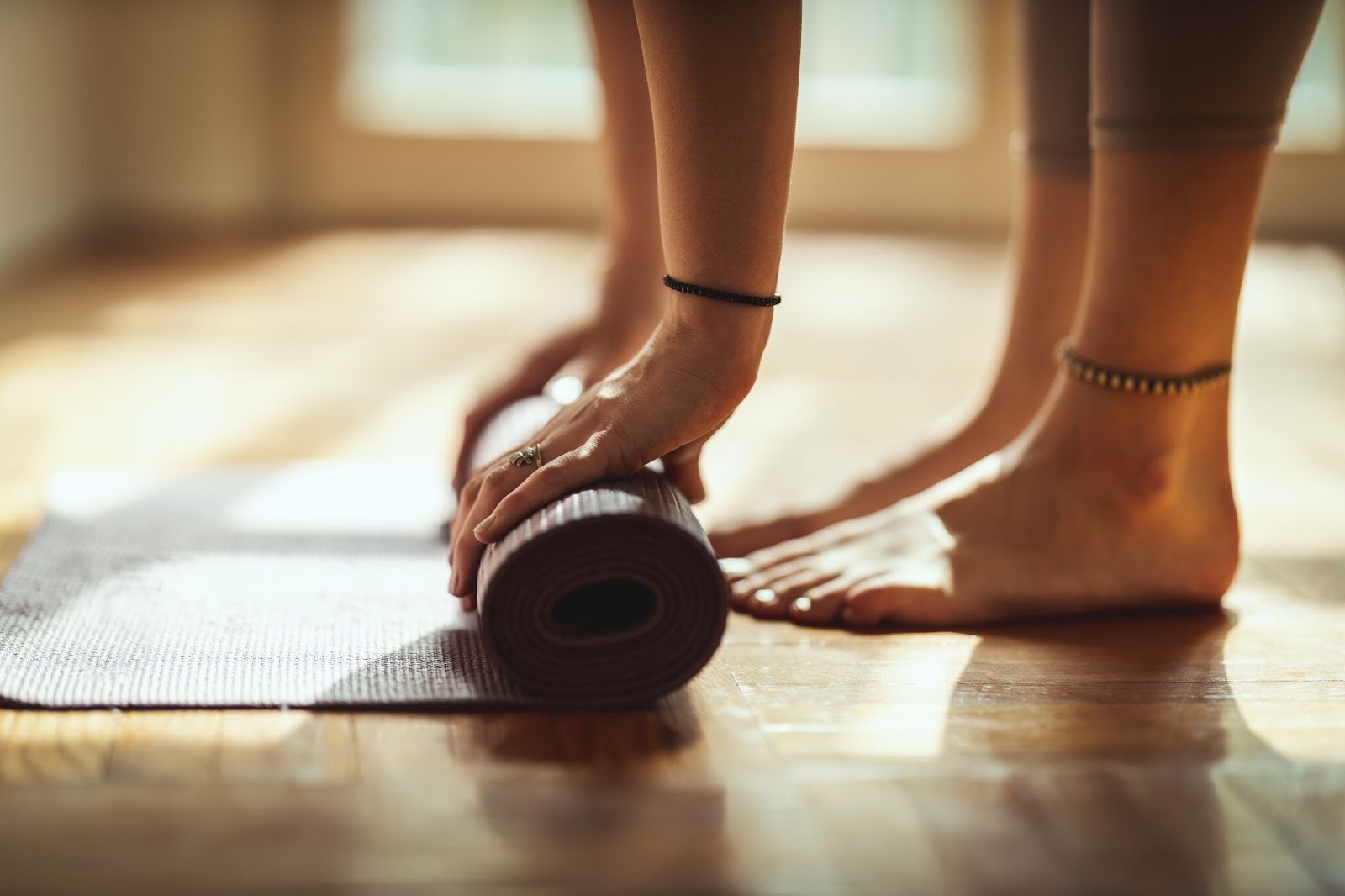
Movement does not need to be intense. Stretching, walking, gentle yoga, or mobility exercises integrate easily into studio life. These practices reset the nervous system and reduce creative stagnation.
Nourishment That Supports Focus and Endurance
Food is fuel for creativity, but artists often ignore it during deep work. Skipping meals or relying on quick snacks leads to energy crashes and reduced concentration. Healthy habits around nourishment support sustained creative effort.
This does not require strict diets. Simple awareness matters more. Eating regular meals, staying hydrated, and choosing foods that support steady energy help artists work longer without exhaustion. Nourishment is a creative wellness routine because it directly affects mental clarity.
Protecting Mental Space During the Creative Process
Creative work demands mental energy. Without boundaries, that energy drains quickly. Protecting mental space is one of the most important creative wellness routines artists can develop.
Managing Creative Overthinking
Overthinking often appears as self-doubt, comparison, or endless revision. These patterns consume energy without improving the work. Mindful creativity involves noticing these thoughts without following them.
Simple practices help reduce overthinking. Writing concerns down, setting clear stopping points, or switching tasks briefly can interrupt mental loops. Over time, artists learn to recognize when thinking is no longer productive.
Creating Pause Points in the Workday
Continuous work without pauses leads to diminishing returns. Pause points act as reset buttons. These can include stepping outside, stretching, or closing the studio door for a few minutes.
Pauses support emotional regulation. They help artists return to work with a clearer perspective rather than frustration. These moments are not breaks from creativity. They are part of it.
Evening Routines That Help Creativity Recover
Creative wellness routines extend beyond working hours. How artists end the day influences how they feel the next morning. Without closure, creative thoughts linger and interfere with rest.
Evening routines help signal completion. This may include tidying the workspace, writing a brief reflection, or noting the next day’s starting point. These actions release the need to hold unfinished ideas mentally.
Separating Creative Identity from Output
One of the hardest habits for artists is separating self-worth from daily output. Some days produce visible results. Others do not. Evening routines help reinforce that value does not depend on productivity.
Reflecting on effort rather than outcome builds emotional resilience. Over time, this supports a healthier creative lifestyle where rest feels earned rather than guilty.
When Creative Wellness Routines Need Adjustment
No routine lasts forever. Changes in life, work, or health require flexibility. Creative wellness routines should evolve alongside the artist.
Signs that adjustment is needed include persistent fatigue, loss of motivation, or resistance to previously supportive habits. Reflection helps identify what no longer fits. Releasing routines without guilt is part of mindful creativity.
Integrating Wellness Without Losing Artistic Edge
Some artists fear that wellness will soften their work. In reality, health strengthens creative risk-taking. When the nervous system feels supported, artists are more willing to explore, experiment, and fail.
Creative wellness routines do not remove intensity. They help artists sustain it. Healthy habits create space for deeper focus and emotional honesty.
FAQs
How long does it take to see results from creative wellness routines?Most artists notice subtle changes within a few weeks. Improved focus, steadier energy, and reduced tension often appear before major creative shifts.
Can creative wellness routines work during busy schedules?Yes. The routines are designed to be flexible. Even brief practices provide benefits when done consistently.
Do creative wellness routines reduce productivity?No. They often improve productivity by reducing burnout and mental fatigue.
Is mindful creativity suitable for all art forms?Yes. These practices support the artist rather than the medium. They adapt to visual, performing, and digital arts.
What if routines start to feel restrictive?That is a sign to adjust. Creative wellness routines should support freedom, not limit it.