



Travel is not a simple process of getting somewhere, it is a serious trigger of self development and cultural enlightenment. Travel may be one of the most rich experiences that one can get to learn the distinct cultures and the artwork is central to this process. In this blog, I explore how cultural narratives are expressed through artistic expression, how to use arts to make travel experience a joyful experience, and how arts can be used to build relationships between different communities.
The crossroads of Travel and Culture
Travelling opens the life of a person to new surroundings, culture, and lifestyle. Every place has something to share in terms of culture and this includes language and food as well as traditions and art. When traveling, visiting a local art also enables the traveler to understand more about the values and history of the destinations.
The significance of the Artistic Expression in the Cultural Discovery
Artistic expression is a universal language which breaks communication barriers. By means of visual arts, music, dance, and literature, the travelers can interact with locals and learn about their views. Art embodies the spirit of a culture and reflects the pleasures, struggles and desires of a given culture.
Examples: visiting the dynamic city of Marrakech, Morocco, one gets welcomed by the amazing mosaics, thorough use of tiles, and colorful fabrics, which narrate the history of the rich locality. These visual manifestations encourage tourists to experience this local culture rather than only look at it.
Visual Arts: A Reflection of Cultural Identity
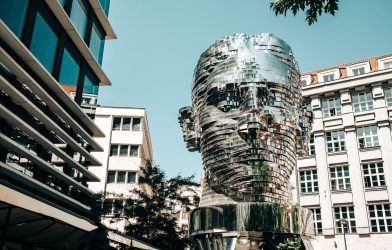
Visual arts involve a broad spectrum of collections such as painting, sculpture and street art. Every form of art provides an insight into the cultural identity of a given community and therefore its history and values are brought out.
Street Art as Cultural Critique
Street art has become an interactive mode of art in the urban environment. It is frequently concerned with social problems, mirrors the local culture, and as a platform may even make political commentaries. By visiting the street art, travelers can learn more about the life of a city.
E.g. An example of this is the East Side gallery in Berlin, one of the sections of the Berlin wall that has been preserved and painted by artists all over the world. These pieces of art, in addition to glorifying freedom and unity, also summarize the chaotic history of the city. To the tourists, this outdoor gallery turns colorful as a story of hope and strength.
Traditional Arts and Crafts
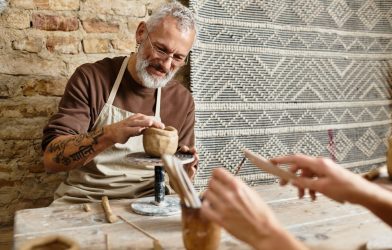
Local crafts can represent centuries of tradition and art. Interaction with artisans and their production gives tourists an opportunity to learn the cultural values of different artworks. This interaction enhances greater appreciation to the craftsmanship and heritage to the background of each piece.
Example: In Bali, Indonesia, the visitor can observe the complex batik making process- a traditional dyeing technique in fabrics. Upon attending a batik workshop, the visitor can not only learn about the history and meaning of the art form, but also make his/her personal piece of art to live with.
Music and Dance:The Rhythm of Culture
Cultural expression is always accompanied by music and dance, and they tend to express the experiences and feelings of a community. They form a feeling of belonging and identity, which provides travelers with an opportunity to associate with local customs.
Experiencing Local Music
Local music can be performed at various places and the experiences given to travelers would be cultural. It does not matter whether it is folk or traditional drumming or modern genres, music can create strong emotions and help to form a bond between different audiences.
Example: In New Orleans, the jazz motherland, visitors are able to hear the lively tunes of live music in the city streets and clubs. The musical heritage of New Orleans narrates the tale of its multicultural background as the visitors have the opportunity to dance and celebrate with locals.
Dancing as Cultural Performance
Another effective way of cultures narrating their stories, beliefs, and histories is through dance. Dance is also used in many cultures to promote special occasions, rituals and communal events.
Examples: Hula dance in Hawaii has a strong connection with the history and religious nature of the islands. Traditional luau will provide the visitors with an opportunity to experience the beauty and meaning of hula because the dancers narrate stories using the movement and music. This experience makes one appreciate Hawaiian culture and its linkage to land.
Literature and Storytelling: The Heart of Culture
The literature and narratives are very important in cultural expression. They act as means of passing knowledge, traditions and values across generations. The works of literature and oral tradition can help travelers to learn the essence of a certain culture.
Exploring Local Literature
Reading books by locals or reading about a place can increase the knowledge of a culture among a tourist. Literature presents the background and richness, and one can have a more refined experience.
Sample: Visitors to Istanbul will have an opportunity to study the works of Orhan Pamuk whose novels reflect the situation of this city, its conflicts, and contradictions. Through the experience of reading local literature, the visitors will be able to learn more about the cultural landscape of Istanbul, which makes their trip more meaningful.
Story telling and oral traditions
Oral storytelling is a popular practice in most societies. By meeting with the local storytellers, the travelers can get the experience of the richness of the history and the folklore of a certain culture.
Example: Storytelling in Indigenous culture is an important practice in North America that passes on the cultural knowledge and values. The involvement in the storytelling circles provides the travelers with the exclusive chance to interact with the community and learn about its heritage.
Food history: A Taste of Culture
Eating is a very significant feature of culture; it provides an insight into the local traditions, ingredients, and way of life. Food is also a part of the travel experience in culinary arts as it displays the history and the geography of a particular region.
Cooking Classes as a way of learning
Taking part in the cooking classes will enable the traveler to get involved in the local food as well as get to understand the cultural values involved. This practical experience enhances a greater understanding of the taste and methods of a region in the culinary identity.
Example: In Tuscany, Italy, cooking schools frequently focus on the old-time recipes that are being passed to next generations. Tourists are able to study how to prepare homemade pasta and local cuisine and explore the origin of every ingredient.
The Food Markets as Cultural Centres
Going to local food markets allows traveling to immerse into a culture with sensations. Markets exhibit local products, food cultures, and interpersonal relationships, and provide a comprehensive picture of the lifestyle of a community.
Example: The Mercado de San Miguel in Madrid, Spain, is a busy shopping centre where tourists can taste local delicacies, both tapas and the local artisanal cheeses. The liveliness and variety of services provide a complete culinary experience and are the reflection of the core of Spanish culture.
The Plays of Technology in Art
The modern digital era dictates that technology is playing a major role in the sharing and experience of artistic expression. Social media has made artists reach audiences around the world and virtual experience has made travelers experience culture even when distant.
Virtual Art Exhibitions
As virtual reality and online platforms are on the rise, travelers no longer need to leave their homes to take a cultural tour across the globe and visit art exhibitions. Such experiences make available cultural heritage and art that otherwise might be inaccessible.
Example: The Louvre Museum in Paris has a virtual tour of their huge collections enabling art enthusiasts to view masterpieces anywhere in the world. This availability promotes an appreciation of art and culture that helps in inspiring the traveler to make subsequent visits.
Social Media as a Cultural Interchange
Social media has been used to provide artists with a platform to communicate their art, reach their target audience, and storytell about the culture. On social media networks such as Instagram and Tik Tok, the travelers are able to know about local artists and their work.
Examples: Social media can be employed by artists of different cultures to present their work and share their stories. The fact that local artists are followed on these sites enables the traveler to learn more about how they work on their creations and what their culture is like.
Conclusion
Travelers can learn and interact with other cultures through artistic expression, which is an important tool. With local immersion in arts, music, literature, and food, travelers can understand the community in which they are visiting better. This discovery creates networks, cultural appreciation, and the general experience of travelling.
On our journeys, we shall accept the strength of art and community to form our perception of the world. Art is one way we can join hands to appreciate the diversity that is present in cultures and establish bridges that can unite us.
FAQs
1. What are the potential benefits of art in traveling?
Art enables tourists to relate to the local culture, learn the values of the local community, and explore the narratives behind various artistic creations.
2. How does food contribute towards cultural discovery during traveling?
Food is a history and tradition of the culture. Eating local foods makes the tourist learn about the local activities and develop a better attachment with the locals.
3. What role can technology play in cultural exploration in the course of traveling?
The virtual exhibitions and social media technologies enable the travelers to experience and appreciate the art and culture of other parts of the world, and to gain knowledge on diverse practices.