


Public art experiences are part of everyday city life, even when people do not consciously label them as art. A mural passed during a morning commute, a sculpture in a public square, or a piece of street art on a side street quietly becomes part of how a city feels. For many urban residents, these artworks shape mood, memory, and movement without demanding attention. This article looks beyond basic definitions and explores how public art experiences influence daily urban living, shape city identity, and transform the visual environment people interact with every day. Rather than focusing on what public art is, the focus here is on how it works, how it is felt, and why it matters in lived urban experience.
Why Public Art Matters Beyond Decoration
Public art is often misunderstood as visual decoration meant to beautify spaces. In reality, its role is far deeper. Public art experiences influence how people relate to shared environments. When art exists outside galleries, it becomes part of daily routines rather than a destination. This constant presence creates familiarity and emotional connection. Art in public spaces has the power to soften harsh urban structures, add meaning to overlooked areas, and remind people that cities are lived spaces, not just functional ones. It shapes how individuals experience belonging, curiosity, and even comfort in places they move through every day.
How Public Art Experiences Shape City Identity
Every city develops a visual language over time, and public art plays a major role in forming that language. Murals, installations, and street art reflect values, stories, and social moments that define a place.
Visual Storytelling in Shared Spaces
Public art experiences often act as visual narratives. Murals can reflect local history, celebrate cultural diversity, or respond to social change. Because these stories exist in shared spaces, they become accessible to everyone. People may not stop to analyze them, but repeated exposure builds recognition and emotional connection. Over time, these visuals shape how residents understand their city and how visitors remember it.
Recognizable Art as Urban Landmarks
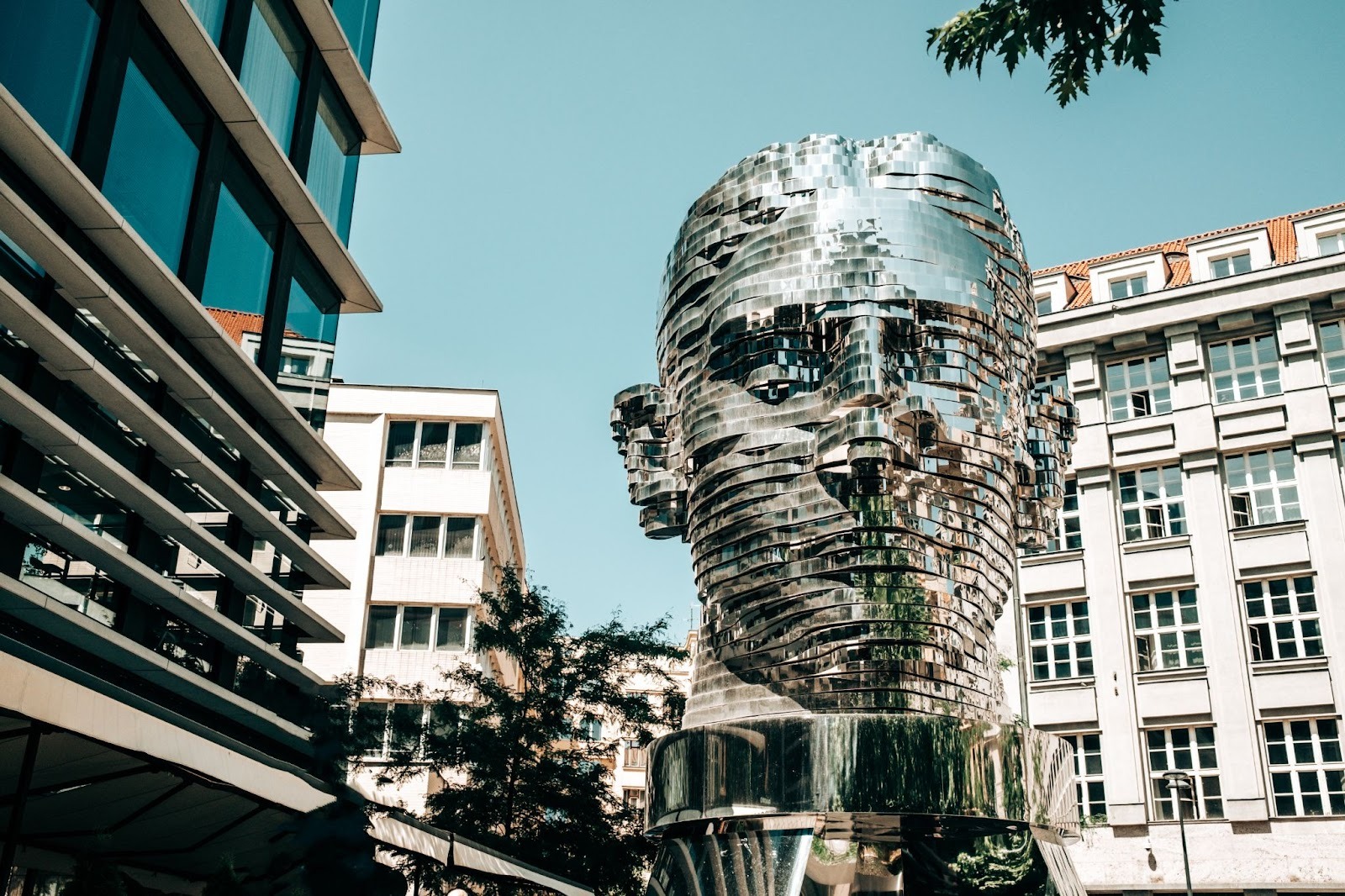
Certain artworks become unofficial landmarks. People use them as meeting points or directional references. These works embed themselves into daily language and memory. A city’s identity is not only built through architecture or geography but through these recognizable visual markers that feel personal and familiar.
Street Art Culture and the Everyday Urban Experience
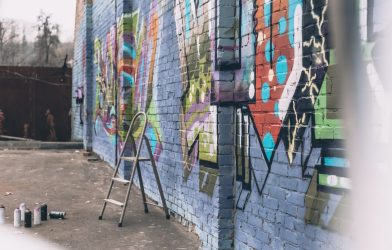
Street art culture adds a unique layer to public art experiences. It is often informal, temporary, and directly connected to the rhythm of city life.
The Informal Dialogue Between Artists and the City
Street art responds quickly to social issues, political climates, and local conversations. This immediacy creates a sense of dialogue between artists and the public. Unlike commissioned works, street art often feels spontaneous and raw. It reflects the present moment and invites viewers to think, question, or simply notice something new in a familiar space.
Temporary Art and Changing Visual Environments
One of the defining traits of street art culture is impermanence. Pieces may fade, be removed, or replaced. This constant change keeps the visual environment dynamic. Public art experiences shaped by temporary works encourage people to stay attentive to their surroundings. Cities feel alive when visual elements evolve rather than remain static.
How Public Art Influences Mood, Movement, and Behavior
Public art affects people in subtle ways that often go unnoticed. Its influence can be emotional, psychological, and behavioral.
Art as a Pause in Fast Urban Routines
Cities move quickly. People rush between responsibilities with little time for reflection. Public art introduces pauses into these routines. A striking image or unexpected installation can slow someone down for a moment. These small interruptions offer mental space, even in crowded environments. Over time, these pauses contribute to emotional well-being.
Navigating Cities Through Visual Cues
Artworks also help people navigate cities. They act as visual anchors that make areas easier to remember and recognize. This familiarity reduces stress and increases comfort. A visually engaging environment feels more human and less overwhelming, especially in dense urban areas.
Public Art as a Tool for Community Connection
Public art experiences are shared experiences. They exist in spaces where people from different backgrounds intersect, creating opportunities for connection.
Encouraging Interaction Without Instruction
Unlike formal events, public art does not require participation guidelines. People can engage with it in their own way. Some stop to discuss it, others photograph it, and many simply absorb it quietly. This openness allows art to connect people without pressure.
When Public Art Reflects Local Voices
Art that reflects local stories and voices strengthens community identity. When residents see themselves represented in their visual environment, they feel acknowledged. This sense of recognition fosters pride and belonging. Public art becomes more than an object; it becomes a shared expression.
Tension, Debate, and Ownership in Public Art
Public art exists in shared spaces, which naturally leads to debate. These tensions are part of what makes public art meaningful.
Who Decides What Belongs in Public Space
Decisions about public art involve artists, institutions, governments, and communities. Conflicts can arise when different values collide. These discussions reveal power dynamics and cultural priorities. While disagreements can be uncomfortable, they also encourage public engagement with art and space.
When Public Art Challenges Comfort Zones
Not all public art is designed to be comforting. Some works provoke discomfort or challenge norms. These reactions are not failures. They indicate engagement. Art that sparks conversation contributes to a more reflective and aware urban culture.
The Visual Environment and Urban Well-Being
The visual environment of a city affects mental and emotional health. Public art plays a role in shaping this environment.
Reducing Visual Fatigue in Dense Cities
Cities are filled with signage, advertisements, and concrete structures. This visual overload can be exhausting. Thoughtfully placed art introduces balance. It changes visual rhythm and offers moments of rest for the eyes and mind.
Creating Moments of Belonging
When people recognize familiar artworks in their daily routes, they feel anchored. These moments of recognition contribute to a sense of home. Public art experiences quietly support emotional stability in constantly changing urban environments.
How Artists Design Public Art Experiences Intentionally
Public art is not accidental. Artists carefully consider how their work will exist in shared spaces.
Balancing Message, Space, and Audience
Artists think about scale, location, and audience interaction. A successful public artwork communicates without overwhelming. It respects the space it occupies while offering meaning. This balance ensures that the work enhances rather than disrupts the environment.
Working With, Not Against, the City
Cities have their own rhythms and constraints. Artists who understand this create work that feels integrated. They consider lighting, foot traffic, and surrounding architecture. This thoughtful approach allows public art experiences to feel natural rather than imposed.
Frequently Asked Questions
How do public art experiences differ from gallery art?Public art experiences are integrated into daily life and do not require intentional visits. They are shaped by environment, movement, and repetition rather than controlled viewing conditions.
Why is street art important to city culture?Street art reflects real-time social and cultural conversations. Its immediacy and accessibility make it a powerful form of urban expression.
Can public art really affect how people feel in a city?Yes. Visual environments influence mood and perception. Public art introduces variety, familiarity, and emotional connection into daily routines.
Who benefits most from public art in cities?Everyone who moves through the space benefits, whether consciously or unconsciously. Public art experiences are shared and inclusive by nature.