


With urban development, cities have grown and continued to transform and the idea of a sustainable urban life has become significant. Sustainable urban life is regarded as not merely the environmental issue but the social one as well, specifically the place of art and community in the development of more peaceful and robust urban life. This blog dwells on the ways in which one can become sustainable in a city through art and community participation to develop spaces that are not just habitable but also animating and all-inclusive.
The Concept of Sustainable Urban Lifestyle
A sustainable city lifestyle is one that incorporates actions that minimize carbon footprint, social justice and improve the general standard of living. This incorporates green modes of transport, environmentally friendly construction and community-based projects that give the locals a sense of power. The objective is to establish cities that are economically, environmentally as well as socially prosperous.
The role of Community in Urban Sustainability
Sustainable urban living involves community. Active citizens create a sense of belonging and accountability, which promotes collective behavior on sustainability. Once the members of the community work together, they will be able to make solutions aimed at solving the local problems, including waste management and green spaces.
Examples: In Portland Oregon, a group of community members in Portland, came together to establish the Portland Fruit Tree Project that enabled the harvesting of the plants and redistribution of the fruits to local food banks. This project does not only minimize food waste but it also enhances community connections.
Art as a Catalyst for Change
Art can inspire, make one think, and make people unite. Art in a city setting can be used to inspire people to interact with each other and establish sustainability. Creative acts of placing in the community can create awareness on environmental concerns, showcase the local culture, and make people participate.
Research-Based Understanding: A report by the National endowment of arts indicates that communities that are involved in arts have increased civic involvement and volunteerism. This relationship demonstrates how art may serve as a fuel to sustainable urban projects.
Turning Public Space into Art
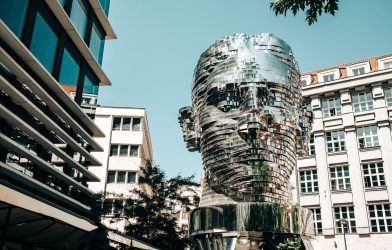
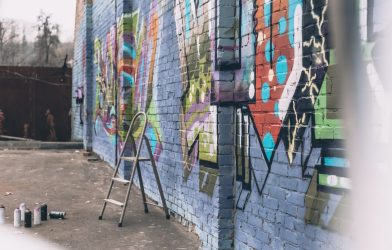
Public art is able to revitalize abandoned city spaces to ones that promote social interaction. Not only do murals, sculptures and installations beautify their respective environments, they are also indicators of the values and identities of the residents of these areas.
Example: Miami, Florida, the Wynwood Walls is a good example of how art can revitalize an area. Formerly a neglected warehouse area, Wynwood is a global open air museum with giant sized murals created by artists around the globe. This has led to tourism, the development of local businesses and the development of pride by the residents.
Community Gardens: An Art-Sustainability Union
Another strong example of the convergence of art and sustainability is community gardens. These common gardens not only supply fresh products but they also are used as canvases to express their artistry. People are allowed to work together on garden designs, shape art installations, and even organize events that emphasize on their group activities.
Urban Ecologist: Urban ecologist Dr. Timothy Beatley makes the point that green spaces have a dual benefit in urban areas in addition to their contribution to biodiversity, green spaces can also improve the psychological health of residents. The community gardens objectify this two-fold advantage of encouraging sustainability and, at the same time, community bonds.
Sustainable Urban Mobility and Transportation
Transportation systems are also important to sustainable urban lifestyle. Less automobile usage decreases pollution of the greenhouse gases and improves the quality of air. Art can be used to encourage alternative ways of transport, which would include cycling and walking.
Example: Copenhagen and Amsterdam cities have incorporated art in their cycling networks. The colorful bike lanes and artistic signage will make residents opt to use bikes instead of cars, which would make the environment healthier.
Discussing Youth and Sustainability Engaging Youth With Art.
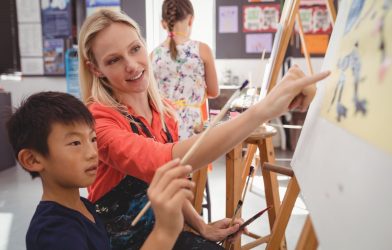
The involvement of younger generations in the sustainability activities is a critical part of the future of the urban lifestyle. Youth can also be encouraged to join their communities through art programs whose themes relate to the environment.
Real-Life Example: The Art in the Park program in San Francisco asks local children to design art installations which will solve environmental problems. This program not only empowers youths but also informs them of the importance of being sustainable which makes them feel they own the environment and therefore need to take care of it.
The Cultural Festival in Enhancing Sustainability
The cultural festivals are essential in the recognition of the community identity and the encouragement of sustainability. These celebrations can showcase local culture, cuisine, and art and include sustainability activities, including waste management and options of sustainable transportation.
Example: At the Earth Day Festival in San Diego, local artists and musicians are presented and environmental awareness is conducted. People will be able to attend workshops and get to know about sustainable practices and come to watch performances that would celebrate the local culture.
Developing Resilient Community by Collaboration
Sustainable urban life demands the joint effort of all types of stakeholders, such as local governments, companies, artists, and residents. These groups can contribute to the development of innovative solutions to the problems of the cities when they collaborate.
Expert Insight: A report by the United Nations shows that collaborative governance can only be used to achieve the objectives of sustainable development. Inclusion involves involving various voices in the decision making processes, hence making sure that the solutions are inclusive and effective.
Effects of Green architecture on the urban way of life
Green building contributes a lot to the urban way of life. Eco buildings are also healthier to live in because they do not only reduce the use of energy, but also make the environment healthier. The use of art in architectural designs can increase beauty and interaction with the community.
Example: Bosco Verticale (Vertical Forest) of Milan, Italy, is a beautiful piece of green architecture. This residential building has trees and vegetation embedded within it, which enhances biodiversity and gives the air a better quality. The project has come to be a model of green city living, which has influenced other projects across the globe.
Case Studies: Cities on the Front line
Some cities across the globe are on the forefront of ensuring sustainable urban living by adopting arts and community activities:
Barcelo, Spain: The city has adopted the program of Superblocks that limit traffic in some parts of the city to give more attention to walking people and bicycles. The community can interact as a result of the installed public artworks and green areas in these superblocks that promote sustainability.
Chicago, Illinois: The city has the Chicago Cultural Plan that highlights the importance of art in developing the community and economic growth. Programmes like the “Chicago Artist Month” are made to showcase local artists, as well as welcome them to engage people in the cultural events.
Melbourne, Australia: Melbourne is a city boasting of a rich street art culture, and it has made use of the concept of public art to revitalize neighbourhoods. The city is also sustainable as demonstrated through the eco-friendly projects and community-driven projects.
Conclusion
The inclusion of art and community in the promotion of sustainable lifestyles has never been more relevant due to the ever-increasing urbanization. Cities can be provided with creative, inclusive spaces to improve the quality of life of the residents and facilitate a healthier planet by promoting creativity and collaboration.
The movement towards a sustainable urban life is never ending, and it involves the cooperation of people, society and organizations. Through the power of art and community, it will be in a position to make the future not only sustainable but also a rich cultural and creative environment.
FAQs
1. What is the role of art in sustainable living in urban areas?
Art beautifies the places, brings people together and creates awareness over issues of the environment and is therefore an important aspect of sustainable urban life.
2. Community gardens: What is their purpose in urban sustainability?
Community gardens are sources of fresh produce, encourage biodiversity, and community ties, an ecological, and arts mash-up.
3. What are the benefits of community involvement in sustainable urban projects?
When communities are engaged, they have a higher chance of cooperating in finding solutions to the problems and therefore, sustainability initiatives become inclusive and responsive to the local needs and values.