


Local art traditions are not frozen in the past or limited to museums and textbooks. They live in streets, homes, workshops, and rituals. For artists who travel, these traditions offer more than visual inspiration. They reveal how culture, environment, and history shape creative expression over time. Many artists already understand the basics of cultural art styles and traditional crafts. What often deepens their practice is experiencing these traditions in real settings. This article explores how traveling cultures teach artists to see differently, work differently, and think more deeply about visual heritage. It focuses on learning through presence, observation, and reflection rather than copying forms or collecting aesthetics.
Encountering Art Where It Naturally Exists
Art changes meaning when it is seen where it belongs. A woven textile in a family home, a painted wall in a village square, or carved details on everyday objects communicate differently than when displayed behind glass. Encountering local art traditions in their natural context allows artists to understand purpose, rhythm, and emotional value. These experiences show that art often serves practical, spiritual, or communal roles. For traveling artists, this realization shifts attention away from surface style and toward deeper intention.
Local Art Traditions as Cultural Frameworks
Local art traditions are rarely separate from the communities that create them. Artistic practices grow alongside rituals, occupations, and shared values. When artists travel, they begin to see how cultural art styles are shaped by climate, materials, and generational knowledge. These traditions are not preserved for aesthetic reasons alone. They exist because they serve a purpose, whether that purpose is storytelling, identity, or continuity. This realization helps artists understand that visual heritage is not static but deeply responsive to human life.
Traditional Crafts and Process-Based Knowledge
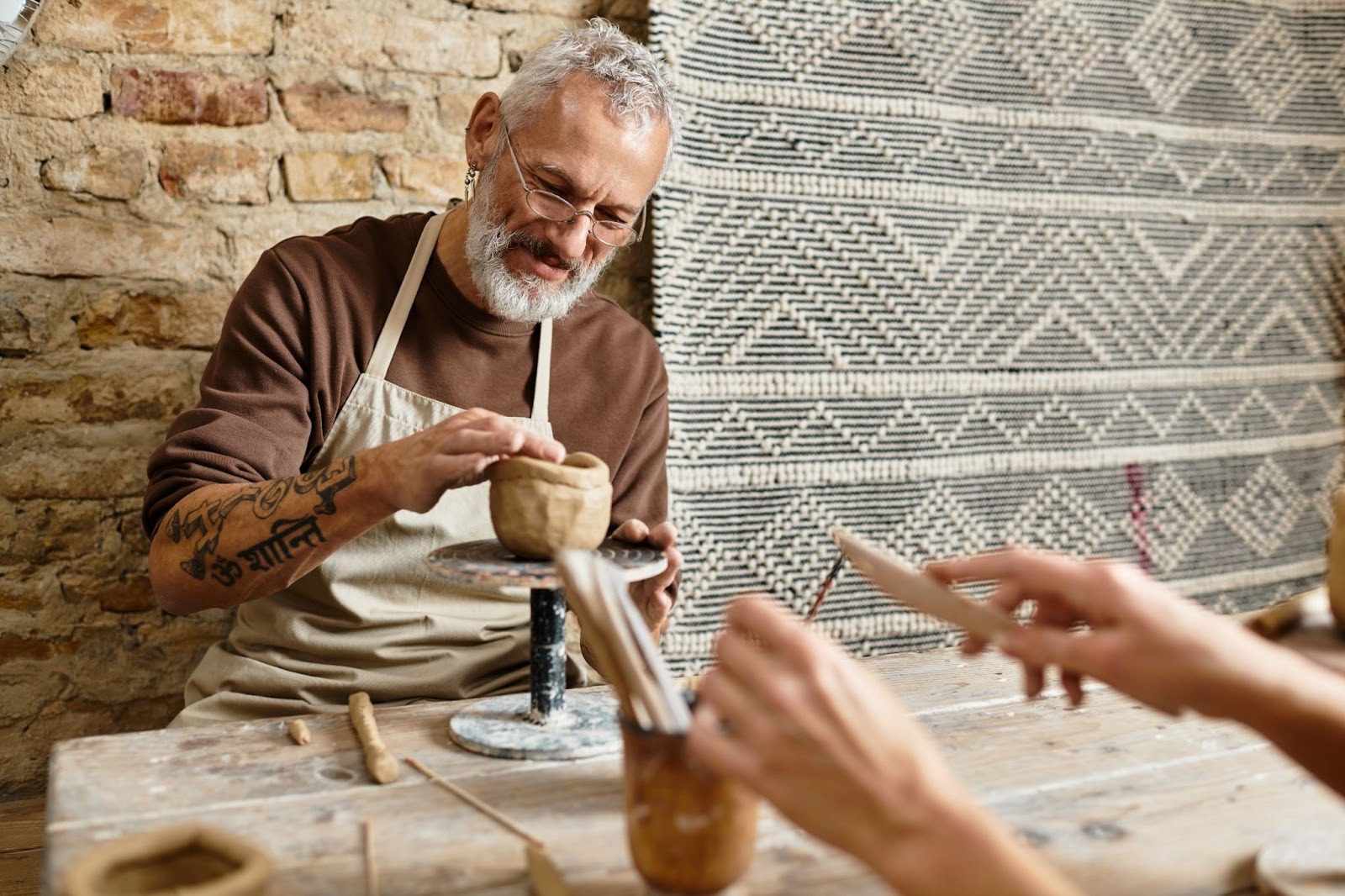
Traditional crafts often prioritize process over outcome. Artists working within these traditions learn through repetition and observation rather than formal instruction. Tools are passed down, techniques are refined slowly, and mastery is measured by consistency rather than innovation. Traveling artists exposed to this way of working often reflect on how modern creative culture emphasizes results. Traditional crafts remind artists that the act of making carries value independent of recognition or visibility.
Cultural Art Styles as Expressions of Daily Life
Cultural art styles develop from lived experience. They are shaped by routines, beliefs, and shared values rather than individual expression alone.
Art Connected to Ritual, Work, and Community
Many traditional crafts emerge from rituals, seasonal cycles, or communal labor. Patterns, colors, and materials carry meaning tied to ceremonies or daily tasks. When artists witness this connection, they begin to understand art as a social practice. Creativity becomes less about self-expression and more about continuity and shared identity. This perspective can profoundly influence how artists approach their own work.
Visual Heritage Passed Through Practice, Not Theory
Local art traditions are often learned through repetition and observation rather than formal instruction. Skills are passed down through generations by watching hands move and materials respond. This form of learning emphasizes patience and respect for process. Traveling artists who observe this transmission gain appreciation for slow mastery and embodied knowledge.
Learning by Watching, Not Collecting
One of the most important lessons traveling cultures offer is the value of observation without ownership. Understanding visual heritage does not require taking objects or replicating designs. It requires attention. Watching artisans work, noticing how tools are used, and understanding how mistakes are corrected teaches more than collecting souvenirs. This approach fosters humility and deeper learning.
Materials, Methods, and Meaning
Materials are not neutral. They carry history, environment, and limitation. Local art traditions reflect what is available and valued.
How Environment Shapes Traditional Crafts
Climate, geography, and resources influence artistic choices. Clay, fiber, wood, and pigment are selected based on availability and durability. These constraints shape visual language. Traveling artists learn that limitation often strengthens creativity. Working within boundaries leads to distinctive styles that feel rooted and authentic.
Process as Cultural Knowledge
The process itself holds meaning. Techniques reveal values such as patience, precision, or adaptability. Watching how artisans prepare materials or repeat steps shows that craft is not rushed. This respect for process can inspire artists to slow down and reconnect with the physical act of making.
Patterns, Symbols, and Shared Visual Language
Patterns and symbols appear repeatedly in local art traditions. They communicate stories, beliefs, and relationships. These visual languages are shared within communities and understood collectively. Traveling artists who take time to ask questions and observe usage gain insight into symbolism beyond decoration. Understanding this shared language encourages artists to think more intentionally about symbolism in their own work.
Respectful Engagement with Local Art Traditions
Engaging with cultural art styles requires sensitivity. Respect builds trust and preserves integrity.
Influence Versus Imitation
Influence becomes problematic when it turns into imitation without understanding. Traveling artists learn that honoring local art traditions means absorbing lessons rather than copying outcomes. Transformation through personal interpretation respects origins while maintaining originality. This approach enriches artistic practice without erasing cultural context.
How Traveling Artists Internalize Cultural Knowledge
Cultural knowledge often settles slowly. Artists may not immediately see how experiences affect their work. Over time, changes appear in color choices, composition, or process. Traveling cultures teach artists to integrate lessons subconsciously. This internalization leads to authentic evolution rather than forced adaptation.
When Local Traditions Change the Way Artists See Their Own Work
Exposure to traditional crafts and visual heritage often prompts self-reflection. Artists begin questioning their assumptions about value, speed, and success. Seeing work created for the community rather than markets can shift priorities. This reflection encourages artists to reconnect with intention and meaning in their own practice.
Art as Responsibility, Not Just Expression
In many cultures, art carries responsibility. It preserves stories, honors ancestors, or marks social events. This perspective reshapes how traveling artists view their own work. Art becomes something that contributes rather than simply expresses. Even contemporary artists often carry this lesson forward by becoming more intentional about themes and impact. Local art traditions teach that creativity holds weight beyond personal identity.
Imperfection as a Natural Part of Craft
Imperfection is often embraced within traditional crafts. Small variations in pattern or texture are seen as evidence of human presence. For artists accustomed to precision, this acceptance can be liberating. Traveling cultures reveal that perfection is not always the goal. Meaning and continuity often matter more. This lesson helps artists release fear around mistakes and encourages more authentic creative exploration.
Learning Without Language
Language barriers often become unexpected teachers. When words are limited, artists rely on observation. They watch how hands move, how tools are used, and how materials respond. This form of learning sharpens visual awareness and intuition. Many artists find that these silent lessons leave lasting impressions. Without verbal explanation, knowledge becomes embodied rather than intellectual.
Insights from Artists Who Study Art Through Travel
Artists who engage deeply with local art traditions often emphasize listening over speaking. They recommend spending time without cameras, sketchbooks, or agendas. Many note that the most powerful lessons come from humility and patience. Travel becomes a classroom where curiosity replaces control.
Expert Advice on Learning from Local Art Traditions
Experts suggest approaching cultural exploration as a long-term relationship rather than a single encounter. Revisit places when possible. Reflect on experiences through writing or sketching after returning home. Another key piece of advice is to acknowledge influence openly. Transparency honors sources and builds ethical creative practice. Finally, experts encourage artists to let lessons shape the process rather than the style. This leads to deeper, more sustainable growth.
Closing Perspective
Understanding local art traditions through travel teaches artists to see art as a living dialogue between people, place, and time. Cultural art styles, traditional crafts, and visual heritage offer lessons in patience, purpose, and connection. When artists engage respectfully, these experiences enrich creative practice without erasing origin. Traveling cultures do not provide templates to copy. They offer wisdom to carry forward, shaping art that is thoughtful, grounded, and deeply human.