


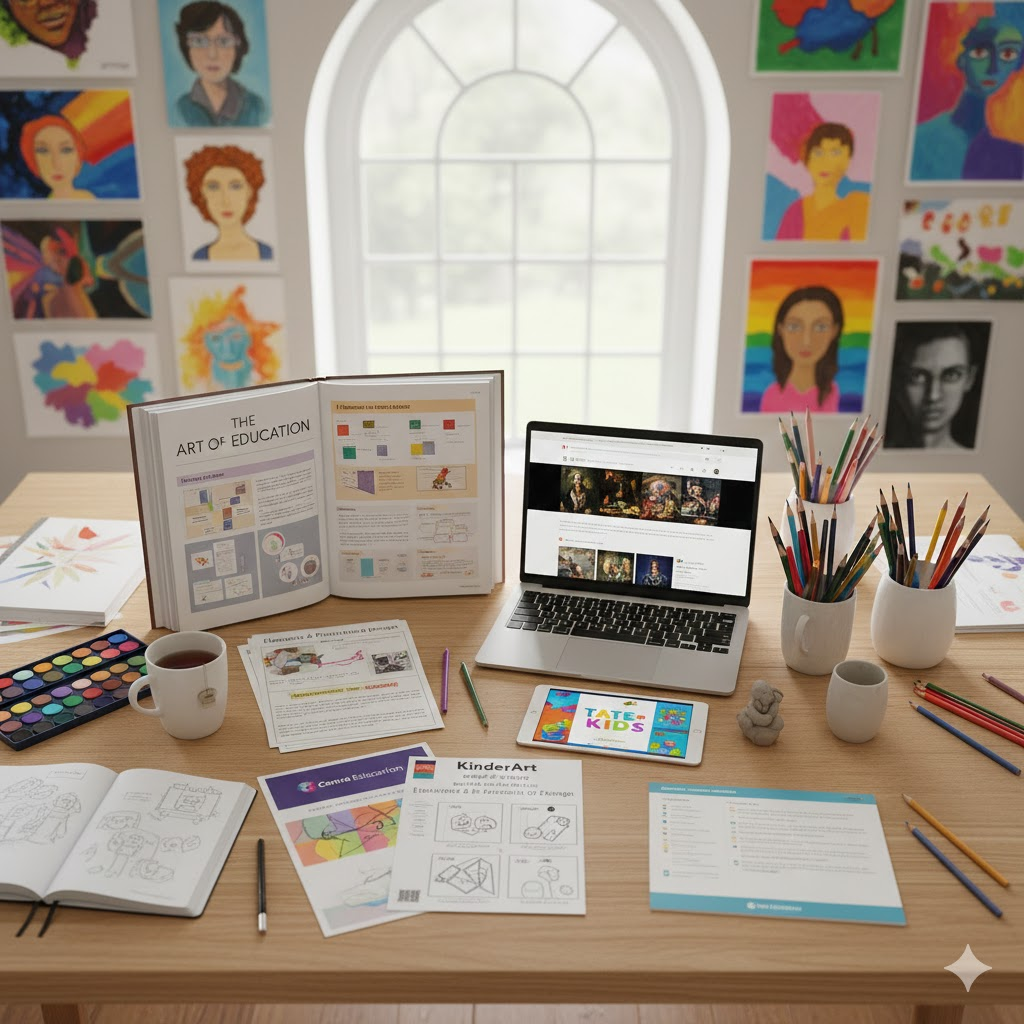
Art education should be part of a balanced curriculum as it helps students to develop creativity, critical thinking, and awareness of different cultures. You can be a veteran or even an inexperienced teacher and having quality resources can make it possible to not only improve your teaching experience but also that of your students. In this blog, different materials on teaching art such as websites, lesson plans, interactive resources, and community support will be examined in an attempt to improve art education in the classroom.
Demonstrating the Significance of Art Education
To get down into the resources, it is necessary to get acquainted with the importance of art education. It does not only enhance artistic abilities but also thinking and feeling. Working with art, students are able to:
Incorporate Critical thinking: The process of analysis and interpretation of art helps students to think critically and articulate their thoughts.
Develop Creativity: Exposure to different types of art helps students to break the box and discover their own form of creativity.
Enhance Cultural Understanding: The study of art in other cultures will make students appreciate the diversity and gain understanding of the world they are living in.
Refine Communication: Art offers the medium of self-expression and a student can express their feelings and thoughts through art.
Having these advantages in mind, we will examine some resources that are useful to art educators and students.
Online Learning Platforms
1. Khan Academy
Khan Academy is a free online program with an extensive range of courses in the subject of art history, including different movements, techniques, and prominent artists. These resources can be utilized by teachers to enrich their curriculum, and give students a more extensive knowledge of the development of art. The site consists of interactive videos, articles, and quizzes, which make the process of learning about art history engaging and fun.
2. Google Arts & Culture
It is a pioneering service which enables the visitor to visit an enormous number of pieces of art, museums, and cultural sites all over the world with the help of virtual tours and clear-cut images. Google Arts and Culture may be used by teachers as a way of introducing their students to the universal art movements and helping them discuss the cultural contexts and meanings. The interactive features promote a meaningful interaction of students with art.
3. Art21
The Art21 has a commitment to contemporary art and contains numerous educational materials such as documentaries, interviews with artists, lesson plans. The videos related to the site can give them insight into how modern artists operate, and thus it is an ideal medium of introducing modern day art practices to the students. These materials can be used by teachers to motivate students to talk about the use of art in the modern world.
Lesson Plans and Curriculum Guides
4. The Art of Education University (AOEU)
AOEU is a leading source on the subject of art educators with numerous courses on professional development and various lesson plans and articles on art education. Their resources reveal a broad spectrum of ideas, starting with the basic techniques and going up to the advanced concepts so that the teachers can shape the curriculum according to the requirements of their students. Moreover, AOEU has a community forum, and it allows educators to share ideas and best practices.
5. Teachers Pay Teachers (TpT)
This virtual market enables teachers to sell and purchase original educational materials, such as lesson plans and activities in art classes. The number of resources available to teachers according to various age groups and levels of skills is extensive. Through TpT, teachers are able to save time, and find new ideas that have been experimented by other teachers.
6. National Art Education Association (NAEA)
The NAEA offers a lot to teachers of art such as access to research publications, professional development, and networking with like-minded professionals. Their site provides lesson plans, articles and details about conferences, thus it is a priceless source to teachers in need of improving their teaching methods.
Interactive Tools and Apps
7. Canva
Canva is mainly a design tool that provides students with an opportunity to design digital art, posters, and presentations. It’s easy to use interface enables the students to play around with the various design elements and in this process it promotes creativity and students involve their imagination in visualizing their ideas. Canva can be used by the teacher in the classroom to deliver the lesson about the principles of design and visual storytelling.
8. Artful Thinking
Artful Thinking is a framework created by Harvard Project Zero and it helps students think critically about art. The resource offers thinking routines that assist students to analyze works of art and build their skills in interpreting works of art. These routines can help teachers organize conversations around works of art and engage their students and get them to learn more.
9. Sketchbook Apps
Digital sketchbook programs, like Procreate or Adobe Fresco, offer students ways of creating digital art. These applications usually have a range of brushes, colors and effects, which give the students the opportunity to explore the various styles and techniques. The curriculum should include digital art to enable students acquire valuable skills applicable in the art and design sectors of the contemporary world.
Community and Networking
10. Local Art Associations
Membership to local art bodies may also give the teachers a chance to network and get resources and support from other educators. There are numerous associations that provide workshops, exhibitions, and events which can improve art education in the society. The contact with local artists and educators may result in the collaboration and may trigger some innovative ideas in the classroom.
11. Social Media Groups
Various groups are also present on platforms such as Facebook and LinkedIn and focus on art education. Such communities enable the teachers to exchange resources, ask questions, and work on projects. The interactions with other teachers through the Internet could offer new ideas and important thoughts on effective teaching methods.
12. Workshops and Conferences
Working at art education workshops and conferences enables a teacher to acquire new skills, know the latest trends in art education and be able to meet other professionals. Such conferences are usually accompanied with practical sessions, motivating speakers, and networking that can stir up the interest in teaching art again.
Books and Publications
13. The artist way by Julia Cameron
The book is a classic that makes one creative and expressive, and provides exercises and tools that could be useful to teachers and students. It offers a model of experimenting with creativity and conquering artistic blockages, and thus it can be a significant source of information to teachers aiming to motivate their learners.
14. Drawing on the Right Side of the Brain by Betty Edwards
The book implies mastering the art of drawing and the perception of art. It provides effective activities and ideas that can improve the artistic skills of the teachers and the students. The method chosen by Edwards focuses on the need to look at the world through the eyes of an artist and make sense of it.
15. Art Education Journals
Teachers can subscribe to journals such as; Art education, Studies in Art Education, to obtain the most recent research, teaching techniques and debates in the field. The articles in these publications are usually authored by teachers, artists and researchers, providing important information on how art education can be effective.
Art Supplies and Materials
16. Blick Art Materials
Blick is one of the greatest art supply providers and gives educators and schools discounts on their purchases. They offer numerous materials which can be used in any kind of art work with drawing and painting or in sculpture and printmaking. Educators have an opportunity to locate good materials which help them to follow their curriculum and motivate their students.
17. Jerry’s Artarama
Jerry’s Artarama is another leading vendor of art materials offering material, project suggestions and teacher teaching videos. They have a wide variety of stock in art supplies so that teachers can get whatever they require in their classrooms.
Conclusion
Art education materials play a great role in improving the learning process of the teacher and the student. Through internet technology, lesson development, interactive tools and community support, instructors can develop interesting and enriching experiences in art education. These positive effects of arts education are not only limited to a classroom, but also create creativity, critical thinking, and cultural understanding in young people.
Educators must constantly find new resources and possibilities that would improve teaching practice and motivate students. Through having the abundance of resources we can foster love of art and creativity within the coming generation ensuring that they are ready to express themselves and interact with the surrounding world in a significant manner. Art education can change life and build the future of creativity, regardless of the old methods or modern approaches.