


Never before has the role of mental health and well-being become as apparent as it is now in a world that is fast-paced and stressful. There are a large number of individuals who are in search of the mind-body holistic solutions to wellness. Among these approaches is art therapy, which is an effective tool of therapy that utilizes the creative process in influencing emotional healing and well-being. This blog discusses the art therapy concepts, its advantages in mental well-being and how it may be used to create a more balanced and satisfying wellness lifestyle.
Understanding Art Therapy
Art therapy is a variety of psychotherapy, which uses artistic means to assist people in freezing their emotion, alleviating anxiety, and discovering their inner world. It incorporates elements of psychology with artistic methods, and people are able to share their ideas and emotions which might not be easily explained in a conversation.
The Basics of Art Therapy
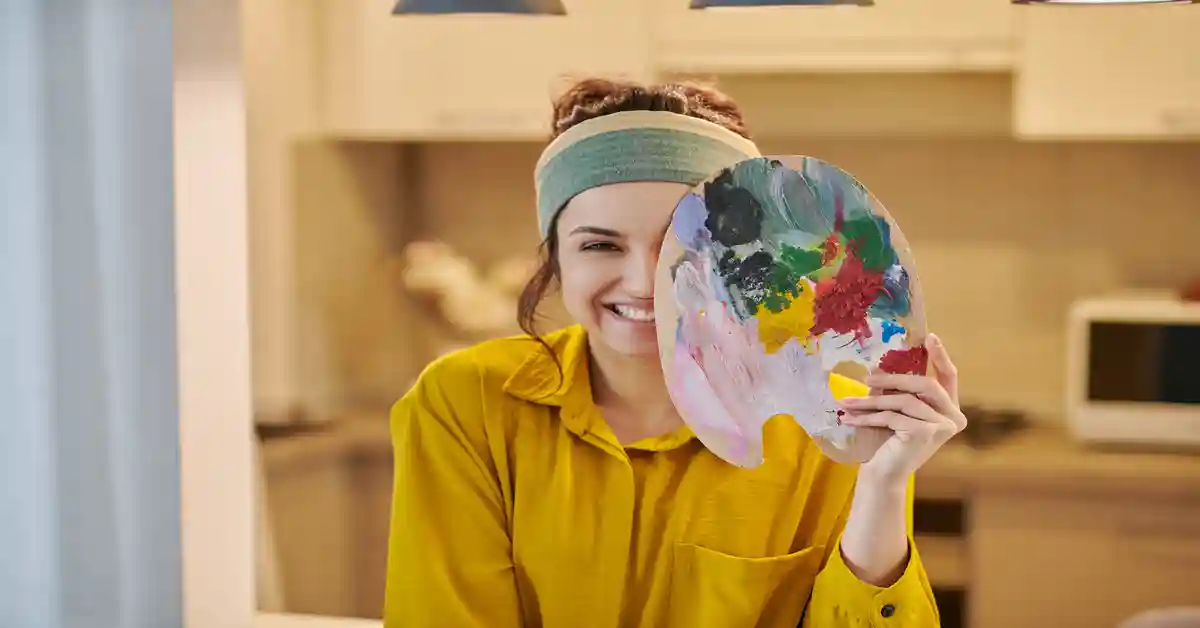
Trained professionals facilitate art therapy by providing a safe and open environment to clients. The participants also participate in different forms of art including painting, drawing, sculpting, and collage to express individual themes and feelings. It does not emphasize the artistic value of the piece of work but the creation process and the expression of the self.
Key Elements of Art Therapy:
- Creative Expression: The people are encouraged to express their feelings and ideas in the art form.
- Therapeutic Direction: Directed by a certified art therapist who was trained in psychology and art therapy.
- Personal Insight: assists individuals to understand their feelings and experiences.
The Art Therapy Advantages on Mental Health
Art therapy has many mental health advantages as it is one of the effective techniques that can be used by individuals with different problems, including anxiety, depression, trauma, and stress.
1. Emotional Expression
Art therapy is a non-verbal method of expressing or acting out complex feelings. To a large number of individuals, it is difficult to express emotions. Art enables people to express their feelings in a visual way and thus release any feelings they may be having and thus heal.
Indifference: When someone is grieving, he/she can ease the pain by painting a work of art that gives him/her a sense of relief and meaning.
2. Stress Reduction
Creative activities have been found to de-stress and induce relaxation. The process of art production can redirect the attention to everyday stressors making people experience a state of mindfulness.
Research Insight: According to a study in Journal of the American Art Therapy Association, only 45 minutes of a creative activity can help reduce a portion of stress and boost the mood to a great degree.
3. Improved Self-Esteem
Art therapy promotes self-exploration and self-acceptance. When people make and post their art they tend to get a feeling of achievement and pride. This confidence can be very healthy especially to individuals who are faced with low self esteem.
Examples: A teenager who makes a mural of themselves as a way of identifying themselves might feel stronger and more self-assured in their self-expression.
4. Improved Problem-Solving Behaviour
Art therapy requires the use of critical thinking and problem-solving skills because of the creative process involved. The participants are taught to view challenges with alternative thinking and come up with creativity in addressing difficulties.
The Expert Reflection: Art therapist Dr. Cathy Malchiodi underlines that the process of creativity involves the brain in a way that promotes cognitive flexibility to enable people to think outside the box.
5. Trauma Processing
Art therapy would give a secure environment where trauma sufferers could safely discuss and work out painful experiences. The process of an art creation may be used as a means of communication of problematic experiences and feelings within a safe setting.
Examples Survivors of abuse can use art to work out their fear and anger, which can help them reclaim their narrative and lead to healing.
Art Therapy as a Wellness Lifestyle
Art therapy can be a great change when it is applied as a lifestyle of wellness. The following are some of the practical ways of incorporating the principles of art therapy into everyday life:
1. Create an Art Space
Create a place in your house where you can be creative. This may be a section of a room that has supplies of art, a sketch book or a canvas. Being able to have my own art studio helps me to participate in art on a regular basis.
2. Explore Different Art Forms
Trade in experimentation with different types of expression: painting, drawing, collage, or digital art. Experimentation with new methods can bring about innovation and make the process exciting.
3. Practice Mindful Creation
Become an artist, make art as a mindfulness practice. Pay attention to the feeling of the materials, the colors and the movement of the hands. Be in the here and now and leave any judgment and expectations behind.
4. Join an Art Therapy Group
Think of the idea of an art therapy group or workshop led by a licensed therapist. Group environments can offer the extra benefit and help develop a relationship with other people with like experiences.
5. Reflect on Your Artwork
Once you have created, make some reflections on your art. Ask yourself questions regarding the feelings and thoughts that were created in the process. It can improve on your knowledge by writing about what you have gone through, and personal growth is encouraged.
6. Share Your Art
It is possible to get validation and support through sharing your artwork with your close friends or family members. It will also be able to promote dialogue on feelings and experiences, improving relationships with others.
Live Applications of Art Therapy
Art therapy has found its successful application in a wide range of settings and it has proven to be diverse and efficient in achieving a well state.
1. Hospitals and Healthcare Facilities
The application of art therapy is a growing practice in healthcare facilities to assist patients to overcome illness, pain, and anxiety. Art therapy is another service that is frequently provided to patients in hospitals during treatment as an artistic medium of expression and recovery.
Cases: Cancer patients include those who can use art therapy to help them deal with their emotions concerning their illness and treatment process, which helps them develop emotional resilience.
2. Educational Institutions and Schools
The educational environments are also incorporating art therapy to ensure the mental health of the students. Schools may implement the use of art therapy programs to assist learners cope with stress, self-esteem and acquisition of coping skills.
Example: A school may introduce the art therapy session to students who experience academic pressure, which offers a creative outlet to the students to relieve themselves of stress and to encourage emotional health.
3. Rehabilitation Centers
Art therapy may help in the rehabilitation process through the expression of emotions in relation to addiction, trauma, or mental health issues in a rehabilitation setting. It promotes self growth and self discovery.
Case Study: Substance abuse recovery victims can utilize art to express their emotions regarding their addiction and consequently create better coping mechanisms.
Discussion: The Art of Therapy in pursuit of a Healthier Living
Art therapy is a powerful and special method of mental health and well-being improvement. In promoting creativity, lessening stress and enabling self-discovery art therapy is a useful tool in the path to a wellness lifestyle.
Applying the principles of art therapy in our everyday life may result in significant self-development and psychological recovery. Art therapy may help people to become more creative, process their emotions and have a more balanced and satisfying life whether individually or in a structured program.
FAQs
1. What is art therapy and the way it works?
Art therapy is a type of psychotherapy, which involves the creative expression to assist individuals to process feelings, decrease stress, and get understanding on what they have experienced, with the help of licensed art therapists.
2. Who is able to take advantage of art therapy?
Art therapy may also be helpful to people of any age, who struggle with anxiety, depression, traumas, and stress. It is also useful especially to individuals who struggle with expressing themselves verbally.
3. What should I do to begin with art therapy?
To begin with, you can create an art environment at home, learn various forms of art, and be mindful in its creation. Become a member of an art therapy group or workshop and receive support and fellowship.