


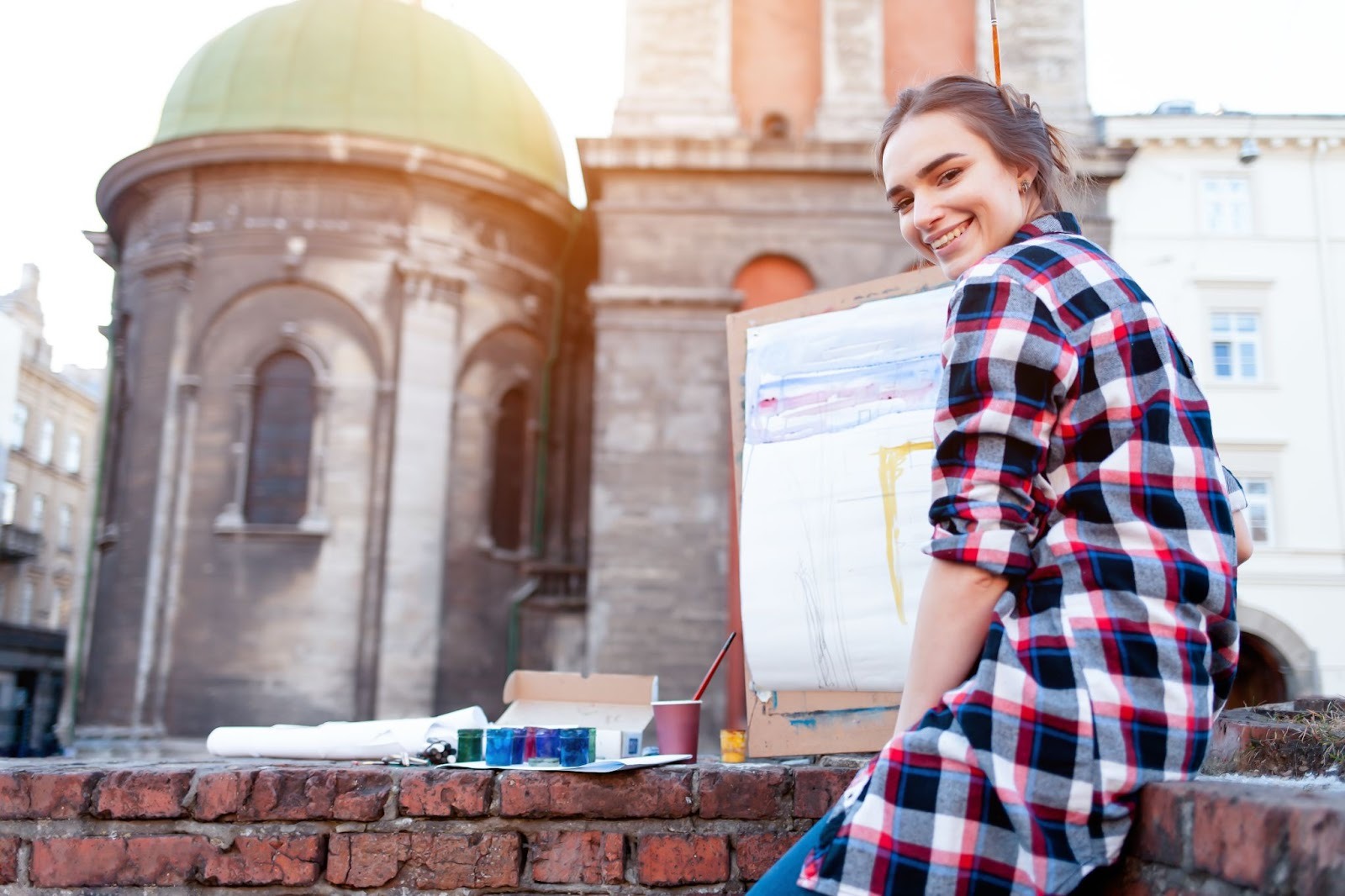
Travel has long been connected to creativity, but artist travel inspiration is rarely about ticking places off a list. For experienced artists, travel becomes meaningful when it changes how they observe, feel, and respond to the world. Cultural experiences do not automatically turn into art ideas. They need time, attention, and interpretation. This guide explores how creative travel can become a steady source of inspiration rather than a short-lived spark. Instead of focusing on destinations, it focuses on perception, presence, and how cultural exploration shapes artistic thinking long after the journey ends.
When Travel Becomes a Creative Lens
Travel starts influencing art when artists stop treating it as a break from practice and begin seeing it as part of the creative process. New environments disrupt routine ways of seeing. Familiar assumptions no longer apply, and the mind becomes more alert. This heightened awareness allows artists to notice contrasts, patterns, and emotions that might be invisible at home. Artist travel inspiration grows when travel sharpens perception rather than overwhelms it. The unfamiliar slows automatic thinking and opens space for curiosity, which is where creative ideas begin forming.
Creating Space for Inspiration Before the Journey
Inspiration often begins before departure. Creative travel benefits from mental preparation rather than detailed schedules. Artists who leave space for uncertainty tend to experience deeper engagement with culture. Setting a loose intention helps guide attention without restricting discovery. This intention might be to observe daily rituals, color relationships, or how people interact with their environment. By deciding what to notice rather than where to go, artists create conditions for meaningful inspiration.
Reading Culture Through Everyday Moments
Cultural exploration becomes richer when artists look beyond landmarks and curated experiences. Everyday life reveals patterns and values that formal attractions rarely show.
Quiet Details That Leave Strong Impressions
Small moments often carry the strongest emotional weight. The rhythm of a local market, the way light hits worn surfaces, or how people pause in shared spaces can leave lasting impressions. These details form the raw material for art ideas because they are authentic and emotionally charged. Artist travel inspiration grows from noticing what locals take for granted. These observations create work that feels lived-in rather than decorative.
Staying Curious Without Crossing Boundaries
Cultural exploration requires awareness and respect. Artists must balance curiosity with sensitivity. Observing without intruding, asking permission when appropriate, and avoiding stereotypes protects the integrity of both the culture and the artwork. Inspiration does not require ownership. Respectful distance allows artists to learn without misrepresenting or exploiting what they encounter.
Collecting Experiences Without Breaking the Moment
One of the challenges of creative travel is capturing ideas without pulling attention away from the experience itself. Constant documentation can fragment presence and dilute memory. Many artists rely on light collection methods that preserve immediacy. Short notes, quick marks, or mental impressions help store ideas without interrupting engagement. Artist travel inspiration often becomes clearer when artists trust memory and emotion rather than excessive recording.
Art Journaling as a Travel Companion
Art journaling plays a powerful role in creative travel, not as a record of events but as a space for reflection and interpretation.
Pages That Hold Feeling, Not Facts
Effective art journaling focuses on mood rather than accuracy. Colors, textures, fragments of language, and abstract marks often express more than detailed sketches. These pages capture how a place felt rather than how it looked. Over time, these emotional records become valuable sources of inspiration because they reconnect artists with the original experience.
Turning Notes Into Visual Memory
Travel journals evolve into personal archives. When revisited later, they trigger layered memories and fresh interpretations. An unfinished sketch or color study may inspire entirely new work months or years after the journey. Art journaling supports long-term creative growth by preserving emotional context rather than surface detail.
From Experience to Artwork: The Quiet Translation Phase
The most important creative work often happens after returning home. Artist travel inspiration rarely appears immediately as finished pieces.
Letting Distance Shape Meaning
Time creates clarity. Distance allows artists to see which experiences truly mattered. Some moments fade, while others gain significance. This natural filtering process helps artists focus on ideas with emotional depth rather than novelty. Creative travel becomes valuable when artists allow ideas to mature instead of forcing immediate outcomes.
Moving Past Literal Travel Imagery
Literal representations of places often feel flat. Stronger work emerges when artists interpret rather than illustrate. Colors may shift, forms may abstract, and narratives may fragment. This transformation allows cultural experiences to merge with personal vision. The result feels authentic rather than documentary.
Slow Travel and Creative Depth
Constant movement can limit reflection. Slow travel offers artists time to observe patterns and build familiarity. Staying longer in one place allows deeper cultural exploration and reduces sensory overload. Artist travel inspiration strengthens when artists experience repetition rather than constant novelty. Familiarity reveals nuance, and nuance feeds creativity.
Navigating Cultural Influence With Integrity
Artists are inevitably influenced by what they encounter. The challenge lies in how that influence is expressed. Integrity comes from transformation rather than imitation. Artists honor culture by absorbing lessons and reinterpreting them through personal perspective. This approach respects origins while maintaining originality.
Insights From Artists Who Travel With Intention
Experienced artists emphasize restraint. They advise doing less, observing more, and trusting intuition. Many note that the most powerful ideas emerge unexpectedly, often after the trip has ended. Another shared insight is patience. Creative travel is not about producing work quickly but about expanding perception. When artists release pressure to create, inspiration arrives naturally.
Expert Advice on Artist Travel Inspiration
Creative professionals often recommend separating travel from production. Treat the journey as research and reflection rather than output. Another key piece of advice is to revisit experiences emotionally before revisiting them visually. Ask what stayed, what changed, and why certain moments mattered. Finally, experts encourage artists to return to their journals and notes regularly. Inspiration strengthens through revisiting and reinterpretation, not accumulation.
Final Reflection
Artist travel inspiration does not end when the journey does. Cultural experiences continue shaping ideas through memory, reflection, and reinterpretation. When artists travel with presence and intention, inspiration becomes layered and lasting. Creative travel is not about collecting places. It is about expanding perception and allowing the world to quietly influence how art is seen, felt, and created.
Frequently Asked Questions
How can artists avoid creative overload while traveling?Limiting destinations, reducing documentation, and allowing rest helps prevent overload. Creative travel benefits from balance and quiet observation.
Is art journaling necessary for travel inspiration?It is not essential, but it provides a powerful tool for reflection. Journals preserve emotional memory that often fuels later work.
How long after travel should artists start creating work?There is no fixed timeline. Many artists benefit from waiting until experiences settle emotionally before starting new pieces.
Can short trips still provide meaningful inspiration?Yes. Depth comes from attention, not duration. Even brief cultural exploration can spark strong ideas when approached intentionally.