


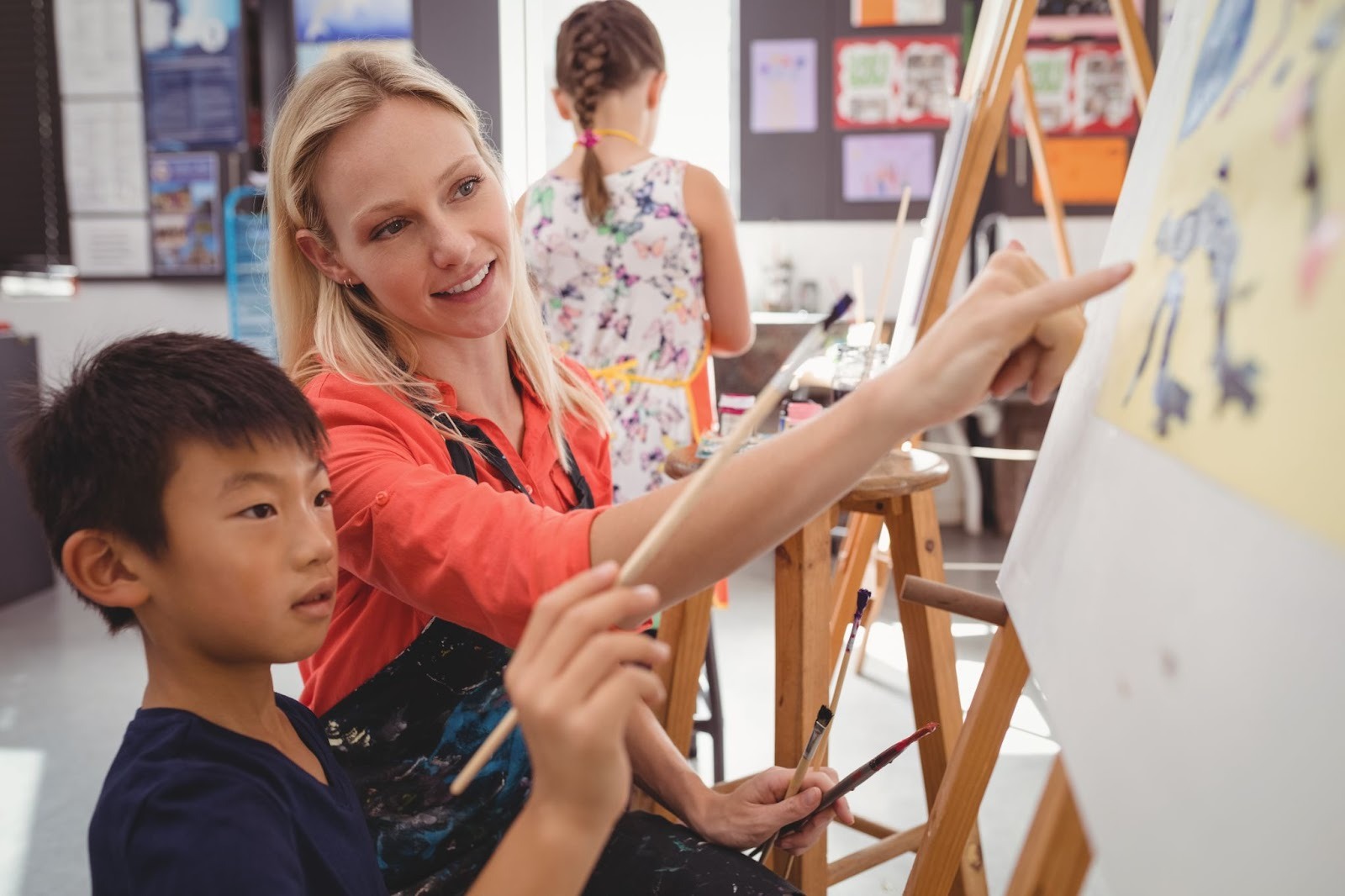
Teaching art skills effectively is no longer just about showing techniques or copying examples. Today’s students already understand the basics of drawing, painting, or design. What they struggle with is applying those skills in meaningful ways. The real challenge for educators is helping students think creatively while strengthening their technical ability. This balance is what separates an average art classroom from one that truly supports growth. When art learning methods focus on process, decision-making, and reflection, students become more confident, expressive, and independent creators. This article explores practical classroom approaches that improve student creativity without oversimplifying the learning experience.
Understanding Skill-Based Art Learning in the Classroom
Art skills are built gradually through repeated practice, thoughtful feedback, and problem-solving. Teaching art skills effectively means recognizing that skill development is not linear. Students improve by experimenting, making mistakes, and revisiting ideas. In a strong art classroom, learning is not centered on completing projects but on strengthening abilities such as observation, composition, material control, and visual storytelling. Creative thinking grows when students understand why they are using a technique, not just how to use it. This shift encourages students to take ownership of their work and apply skills across different assignments rather than treating each project as isolated.
Designing Lessons That Build Transferable Art Skills
Lessons that focus on transferable skills prepare students to handle unfamiliar challenges. Instead of designing activities around a final image, effective art learning methods focus on what students should learn through the process. A lesson might target value control, spatial awareness, or concept development while allowing students freedom in subject matter. This approach helps students connect skills across different media and styles, strengthening long-term learning rather than short-term results.
Balancing Technique with Creative Freedom
Technical instruction is essential, but it should not dominate the classroom. Demonstrations work best when they are brief and purposeful. Students need enough structure to understand expectations, but not so much that their creativity is restricted. One effective approach is to introduce a technique, explain its purpose, and then allow students to decide how to apply it. This balance teaches discipline while encouraging originality. When students feel trusted to make choices, they become more invested in their work and more willing to take creative risks.
Using Open-Ended Prompts to Encourage Thinking
Open-ended prompts are powerful tools for improving student creativity. Instead of assigning identical outcomes, teachers can provide a theme, question, or challenge. For example, asking students to visually represent contrast or movement allows for multiple interpretations. This method pushes students to think critically and make decisions rather than follow instructions. Over time, open-ended prompts help students develop confidence in their ideas and strengthen their problem-solving skills.
Classroom Methods That Improve Student Creativity
Effective classroom methods support both skill development and creative thinking. These strategies focus on how students learn, not just what they produce.
Process-Focused Teaching Over Final Results
When grading is focused only on finished artwork, students often avoid experimentation. Process-focused teaching shifts attention to sketching, planning, revisions, and reflection. Teachers can encourage this by assessing progress and effort alongside outcomes. This method reduces pressure and allows students to explore ideas more freely. Students begin to understand that creativity is built through exploration rather than perfection.
Encouraging Visual Problem-Solving
Art classrooms should present challenges instead of instructions. Visual problem-solving can be encouraged by introducing constraints such as limited materials, time restrictions, or conceptual themes. These limitations push students to think creatively and adapt their skills. Over time, students learn how to approach problems independently, a skill that extends beyond the art room.
Creating an Environment That Supports Art Learning
The classroom environment plays a major role in how students engage with art. A supportive space encourages experimentation and confidence, while a rigid environment can limit expression.
Building a Safe Space for Experimentation
Students are more creative when they are not afraid of failure. Teachers can create a safe environment by normalizing mistakes and discussing them as part of the learning process. Using encouraging language and offering constructive feedback helps students view challenges as opportunities rather than setbacks. Flexible grading policies that reward effort and growth also support this mindset.
Using Peer Interaction as a Learning Tool
Peer interaction strengthens learning when it is structured and supportive. Group discussions, informal critiques, and collaborative projects allow students to see different approaches and perspectives. These interactions improve communication skills and help students articulate their ideas. When guided properly, peer feedback becomes a valuable part of the creative process rather than a source of anxiety.
Strengthening Creative Thinking Through Reflection
Reflection is often overlooked in art education, but it is essential for skill development. Reflective practices help students understand their choices and recognize areas for improvement. Reflection does not need to be complex. Short written responses, sketchbook notes, or group discussions can be effective. When students reflect regularly, they develop awareness of their creative process and learn how to apply feedback to future work.
Adapting Art Classroom Ideas for Different Skill Levels
Art classrooms often include students with varying abilities. Teaching art skills effectively requires strategies that support all learners without lowering expectations.
Scaffolding Without Limiting Expression
Scaffolding provides support while still allowing creative freedom. Teachers can offer optional references, step-by-step guides, or technique reminders for students who need them, while advanced students explore more complex ideas. This flexible approach ensures that all students are challenged appropriately without feeling restricted or overwhelmed.
Assessing Art Skills Without Limiting Creativity
Assessment should measure growth, understanding, and effort rather than just technical accuracy. Rubrics that focus on creativity, problem-solving, and skill application encourage students to engage deeply with their work. Clear criteria help students understand expectations while still leaving room for personal interpretation. Effective assessment reinforces learning and supports creative confidence.
Common Teaching Mistakes That Limit Student Creativity
Some teaching habits unintentionally restrict creativity. Over-demonstrating techniques can lead students to copy rather than create. Providing too many examples may limit imagination. Strict rubrics focused only on appearance can discourage experimentation. Recognizing these patterns allows teachers to adjust their methods without redesigning their entire curriculum. Small changes can have a significant impact on student creativity.
Long-Term Impact of Effective Art Skill Teaching
Teaching art skills effectively has benefits beyond the classroom. Students who develop strong creative thinking skills are better problem-solvers and communicators. They learn how to approach challenges with confidence and adaptability. These skills are valuable in academic, professional, and personal settings. When art education focuses on meaningful skill development, it prepares students for lifelong creative engagement rather than short-term success.
Practical Art Classroom Ideas That Support Skill Growth
While theory is important, practical application makes learning meaningful. Teachers can introduce simple strategies that reinforce skills without overwhelming students. These include rotating skill-focused mini lessons, using sketchbooks for experimentation, and integrating short reflection activities into daily routines. These small adjustments support continuous learning and creativity.
- Skill-based warm-up exercises to reinforce techniques
- Open-ended projects that encourage personal interpretation
- Regular reflection activities to strengthen creative thinking
FAQs
How can teachers improve creativity without sacrificing technical skills?Teachers can integrate technique instruction into open-ended projects. By setting clear skill goals and allowing creative interpretation, students strengthen both technical ability and originality.
What are the most effective art learning methods for modern classrooms?Process-focused teaching, open-ended prompts, and reflective practices are among the most effective art learning methods. These approaches support deeper understanding and creative growth.
How do you assess art skills fairly while encouraging creativity?Assessment should focus on effort, growth, and problem-solving rather than just the final result. Flexible rubrics and clear criteria help maintain fairness without limiting expression.
Why is reflection important in art education?Reflection helps students understand their creative process and apply lessons learned to future work. It strengthens self-awareness and supports long-term skill development.
How can teachers support students with different skill levels?Differentiation through scaffolding allows teachers to provide support where needed while still challenging advanced students. This approach ensures inclusivity without lowering standards.
Teaching art skills effectively requires intention, flexibility, and a focus on meaningful learning. When classroom methods prioritize creativity, reflection, and skill application, students develop confidence and independence. By adopting thoughtful art learning methods and supportive classroom ideas, educators can create environments where creativity thrives and skills continue to grow.